


Lazy journaling turns daily complaints into a quick, stress-relieving habit without requiring long, structured paragraphs. You can channel your inner critic into the perfect cathartic practice without the pressure of perfect prose. Journaling doesn’t have to be a Shakespearean endeavor; in fact, it’s an ideal space for your gripes and grumbles. So grab your favorite pen (or just your phone, no judgments here) and let’s turn that complaining into a beautifully messy page of self-expression!
| Category | TRADITIONAL JOURNALING (Tedious/Stressful) | LAZY JOURNALING (Quick/Relieving) |
| Commitment | 20+ Minutes of Quiet Time | ~3 Minutes (Anywhere, Anytime) |
| Format | Long, Eloquent Paragraphs | Bullet Points, Doodles, or Voice Memos |
| Vibe | Perfect Grammar, High Pressure | Zero Judgments, Total Chaos |
| Focus | Deep Introspection & Life Goals | Immediate Grievances & Stress Dump |
| Result | An Unfinished Notebook | Immediate Emotional Offload |
The Art of Complaining: Turning Daily Frustrations into Focus
Embracing structured venting transforms daily irritations into a practical tool for emotional regulation. Instead of suppressing negativity, channeling complaints into lazy journaling provides a safe outlet to process acute stress without the pressure of perfect writing or traditional diary entry structures.
According to stress management research from the NIMH Mental Health Resources, externalizing emotional strain through brief, written expression prevents stress accumulation and lowers acute anxiety triggers.
- CDC Mental Health Guidelines: Highlights how structured emotional expression lowers background physiological fatigue and improves psychological resilience.
- Read our guide on how to stop overthinking through grounding techniques to clear mental clutter whenever daily frustrations mount.
The Science of Venting and Expressive Writing
- Affect Labeling & Amygdala Regulation: Translating raw frustration into written words—even short, chaotic notes—engages “affect labeling.” Functional brain imaging shows that labeling negative emotions reduces activity in the amygdala (the brain’s threat center) and activates the prefrontal cortex, helping you regain emotional balance quickly.
- Cognitive Offloading: Ruminating on workplace annoyances or bad traffic consumes valuable working memory. Dumping these gripes onto paper acts as a mental release valve, freeing up executive bandwidth for the rest of your day.
Doodles vs. Diaries: Alternative Outlets for Your Gripes

Traditional, long-form journaling isn’t for everyone. When sentence structure feels like a chore, alternative low-barrier mediums deliver the exact same neurochemical benefits:
Voice-to-Text Audio Dumps: Recording a brief audio rant on your phone captures immediate emotional intensity without requiring a pen or keyboard.
Visual Scribbling & Doodling: Unfiltered visual art and chaotic line work allow rapid emotional processing when you cannot find the right words.
Bullet Point Grievances: Listing quick, bare-bones complaints strips away the burden of eloquent prose while still offloading mental stress.
Creative Alternatives for Non-Verbal Lazy Journaling
When articulating raw frustration into sentences feels like a chore, switching to visual or tactile mediums keeps your lazy journaling habit effective without adding mental friction. Expressing complaints visually circumvents the verbal processing centers of the brain, giving your mind a direct outlet to offload stress without worrying about grammar or structure.
According to behavioral research from Harvard Health Publishing, engaging in low-pressure creative activities stimulates neural pathways that promote emotional regulation and reduce cognitive fatigue.
Read our guide on how to stop overthinking through grounding techniques to clear acute mental clutter alongside your visual journal entries.
American Psychological Association: Demonstrates how non-verbal creative expression lowers autonomic nervous system arousal and reduces physical stress responses.
Mayo Clinic Health Information: Notes that tactile and visual outlets disrupt intrusive negative thoughts and strengthen psychological resilience.
From Vents to Triumphs: Cognitive Reframing Through Lazy Journaling
Transforming daily gripes into momentum doesn’t require forced positivity. Instead, using lazy journaling to externalize complaints creates a bridge to cognitive reframing. Once a frustration is written down, your brain shifts from emotional reactivity to objective evaluation, letting you convert minor annoyances into actionable adjustments.
According to psychological research from the American Psychological Association, reframing stressors disrupts ruminative thought loops and strengthens emotional regulation.
- Harvard Health Publishing: Demonstrates how shifting focus from passive complaining to active problem-solving lowers physiological stress markers.
- Mayo Clinic Health Information: Highlights how cognitive reframing fosters psychological resilience and reduces anxiety.
- Read our guide on how to stop overthinking through grounding techniques to regain mental clarity when daily irritations spike.
The Science of Reframing and Cognitive Neuroplasticity
- Neuroplasticity & Neural Pathway Shifting: Repeating negative thoughts strengthens neural pathways associated with stress and threat detection. Externalizing complaints on paper allows the prefrontal cortex to analyze the trigger logically, weakening those automatic stress responses over time.
- Psychological Distancing: Writing about a bad experience in the third person or with light humor creates “psychological distancing.” This detachment reduces amygdala activation, allowing you to view daily setbacks as manageable events rather than personal crises.
Action Steps to Pivot Complaints into Momentum
Extract One Actionable Step: Pair every complaint with a single, small action item to regain a sense of personal agenc
Identify Recurring Patterns: Audit your journal entries weekly to spot repeated complaints (like chronic traffic or bad coffee orders) and implement direct solutions.
Apply the Humor Filter: Reframe annoying encounters into absurd or comedic anecdotes to lower immediate tension.
Ranting with Tools: Digital Apps and Gadgets for Lazy Journaling
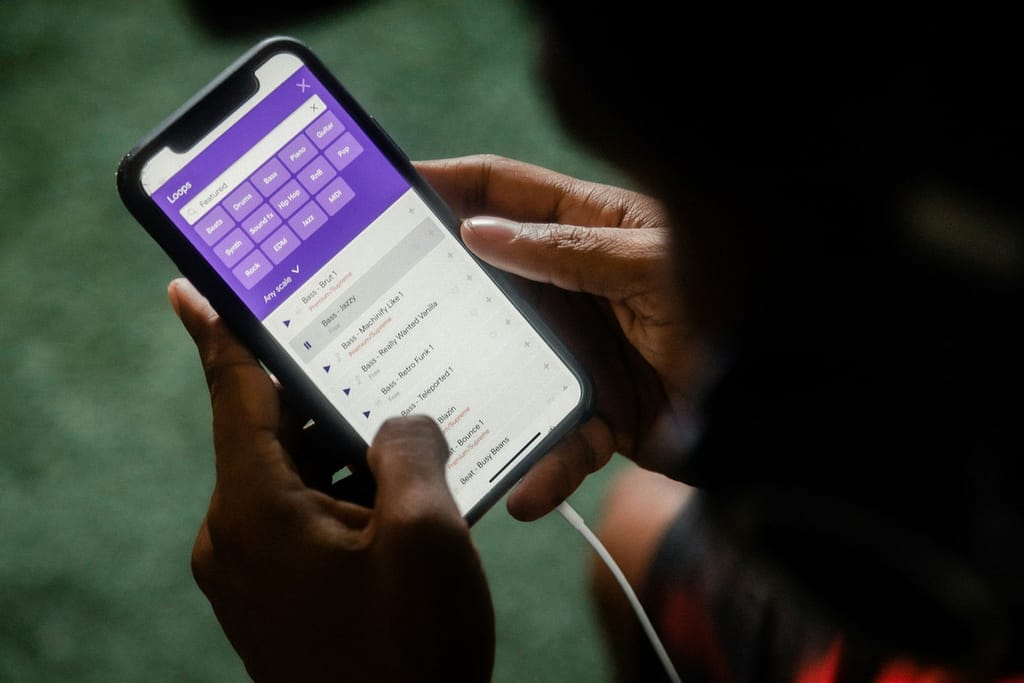
When manual handwriting feels like an unnecessary hurdle, leveraging digital tech tools keeps your lazy journaling habit continuous and friction-free. Capitalizing on voice memos, dictation tools, and specialized note-taking apps allows you to capture raw frustrations instantly, preventing emotional suppression without forcing you to sit down with a traditional notebook.
According to behavioral health research from Harvard Health Publishing, removing mechanical barriers to emotional expression helps individuals process acute stress triggers faster and lowers psychological fatigue.
- American Psychological Association: Demonstrates how rapid emotional venting through tech tools reduces autonomic stress responses and prevents cognitive overload.
- Mayo Clinic Health Information: Highlights how structured audio and digital expression help interrupt intrusive, negative thought loops.
- Read our guide on how to stop overthinking through grounding techniques to regain focus after dumping your thoughts into digital tools.
The Cognitive Science of Tech-Assisted Venting
- Verbal Processing & Amygdala Cooling: Speaking your complaints aloud into voice notes or dictation apps triggers immediate “affect labeling.” This audio venting bypasses fine motor strain, engaging the prefrontal cortex to quiet amygdala activity almost instantly.
- Frictionless Offloading: Micro-frustrations often build up because logging them takes too much effort. Using one-tap audio recorders or quick-access widget apps captures acute annoyances in real time, freeing up working memory before stress accumulates.
Best Digital Tools for High-Efficiency Venting
Encrypted Private Notes: Store confidential gripes in password-protected apps to express taboo or unfiltered thoughts without fear of exposure.
Voice-to-Text & Memos: Record raw, unfiltered audio rants while walking or driving to capture immediate emotional tone without typing a single word.
Quick-Jot Mobile Widgets: Use bare-bones, lock-screen note widgets to type short, bulleted complaints the moment an irritation occurs.
Laughing Through the Gloom: Humor and Sarcasm in Lazy Journaling
Injecting dark humor, sarcasm, or self-deprecation into your lazy journaling isn’t just entertaining—it serves as a direct psychological defense mechanism. Framing frustrating events through a comedic lens alters how your brain processes acute stress, turning overwhelming situations into manageable, lighthearted anecdotes.
According to psychological research from the American Psychological Association, self-distancing through humor reduces emotional reactivity and lowers circulating stress hormones.
- Harvard Health Publishing: Demonstrates how humor and laughter stimulate dopamine release, counteracting stress-induced fatigue.
- Mayo Clinic Health Information: Outlines how adopting a humorous perspective reframes perceived threats and protects against anxiety.
- Read our guide on how to stop overthinking through grounding techniques to break persistent stress loops alongside your daily journaling.
The Neurobiology of Humor as a Coping Mechanism
- Amygdala De-escalation: Sarcasm and comedy require higher-order cognitive processing in the prefrontal cortex. Shifting mental focus to craft a joke creates immediate psychological distance, dampening threat signals in the amygdala.
- Endorphin and Dopamine Surge: Framing a bad situation as absurd triggers a mild release of endorphins and dopamine, effectively neutralizing the physiological fight-or-flight response.
Conclusion: Embracing Friction-Free Emotional Venting
Building a sustainable lazy journaling habit comes down to dropping high expectations. You don’t need structured paragraphs, pristine grammar, or forced positivity to protect your mental well-being. Whether you dump bulleted grievances into an app, doodle your annoyances, or write sarcastic rants in a notebook, externalizing daily friction keeps mental fatigue from accumulating.
Johns Hopkins Medicine: Demonstrates how low-friction stress outlets reduce chronic cortisol exposure and preserve executive function.
Cleveland Clinic Health Essentials: Outlines how low-pressure expressive habits enhance emotional regulation and prevent long-term mental fatigue.
Stanford Medicine Health Care: Highlights how structured, low-barrier mental breaks disrupt chronic stress cycles and support psychological resilience.


