

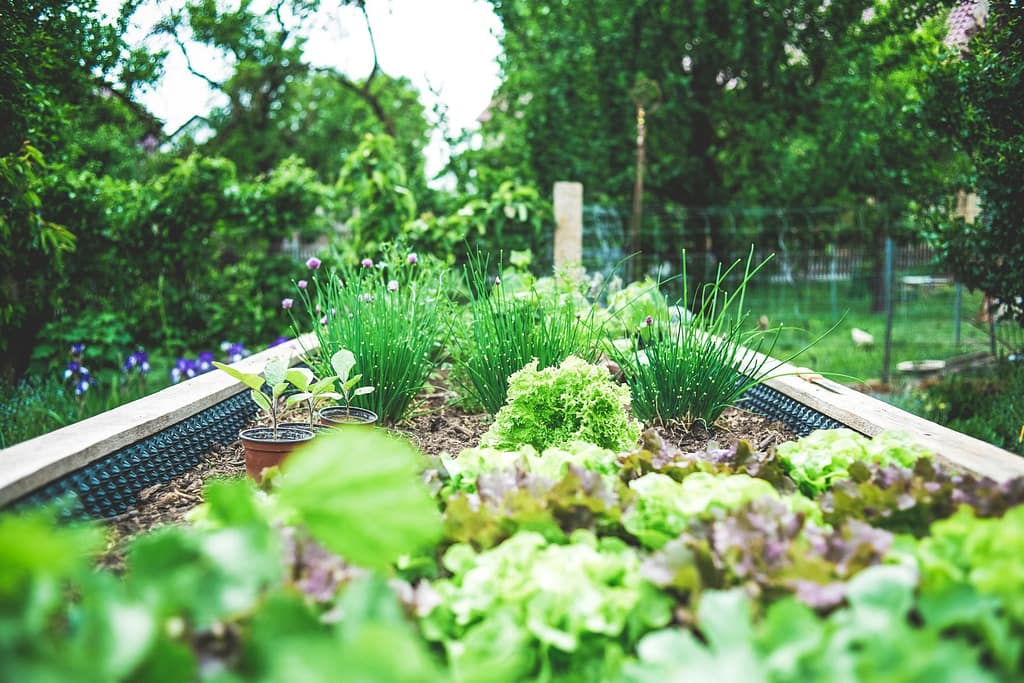
Plucking sun-ripened tomatoes and crisp greens straight from your backyard sounds idyllic, but growing your own food is often an unpredictable comedy of errors. Between balancing soil nutrients, regulating moisture levels, and defending crops against opportunistic garden pests, producing a bountiful harvest demands patience, trial, and strategic effort.
Key Takeaways:
- Expectation vs. Reality: Germinating seeds and raising crops takes deliberate soil management and environmental planning.
- Pest & Moisture Balance: Overwatering and unexpected insect pressure are the two most common hurdles for new gardeners.
- Simple Health Integration: Harvesting fresh, homegrown produce provides unmatched nutrient density and encourages active outdoor physical movement.
Garden Reality Checklist
| Gardening Stage | Expectation | Real-World Reality | Practical Solution |
| Seed Germination | Instant lush sprouts | Patchy or leggy seedlings | Use quality seed-starting mix & supplemental light |
| Watering Routine | Daily casual hose spraying | Root rot or drought stress | Check soil depth before watering; use deep soaking |
| Pest Control | Bug-free paradise | Aphids & caterpillars on leaves | Deploy beneficial insects & physical row covers |
| Harvest Yield | Abundant kitchen produce | Unexpected crop timing/surpluses | Stagger plantings & preserve seasonal gluts |
Before you explore the world of gardening, let’s bust a myth: the notion that you’ll be frolicking through a vibrant, bountiful paradise in no time is as realistic as finding a unicorn in your backyard. You picture yourself picking fresh tomatoes and herbs for dinner, yet you didn’t account for the blisters, weeds, and the possibility that your backyard might morph into a botanical battleground.
Soil Preparation & Seed Germination Realities
Tossing seeds into back yard dirt and expecting a botanical paradise overlooks basic plant science. Successful seed germination requires controlled moisture, proper ambient temperature, and a loose growing medium that allows delicate root systems to expand without compaction.
Read our guide on low-impact exercises to see how active yard work doubles as functional daily movement.
USDA Gardening & Soil Resources: Provides soil testing guides and regional growing guidelines to optimize crop nutrition.
Managing Moisture: Drowning vs. Drought
Balancing hydration is one of the trickiest skills when growing your own food. Overwatering suffocates roots and triggers fungal rot, while underwatering stresses plants, causing blossoms to drop and fruits like tomatoes to split.
- CDC Environmental Health Guidelines: Highlights outdoor gardening as an effective moderate-intensity activity that supports joint and cardiovascular health.
- NPIC Organic Pest & Garden Safety: Information on managing garden ecosystems safely using low-toxicity controls.
Watering Tip: Water early in the morning directly at the root zone rather than spraying foliage. Morning watering allows soil to absorb deep moisture while letting leaves dry in the sun, minimizing fungal diseases.
Moisture Management: Overwatering vs. Unexpected Droughts
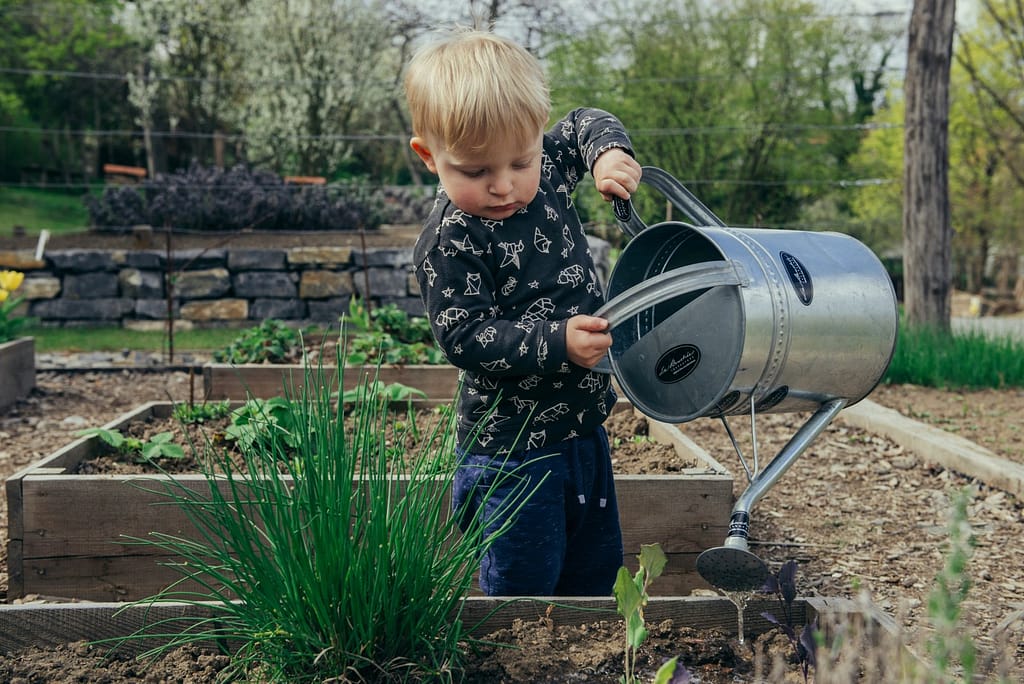
Achieving the right watering balance is one of the steepest learning curves when growing your own food. Excessive watering suffocates delicate root systems, cutting off oxygen and triggering fungal root rot. Conversely, sudden dry spells cause immediate drought stress, leading to dropped blossoms, stunted growth, and split fruit on crops like tomatoes and peppers.
According to soil moisture guidance from the USDA Gardening & Soil Resources, deep, infrequent watering encourages plants to grow long taproots that pull moisture from deeper soil layers during high heat.
- NPIC Organic Pest & Garden Safety: Outlines soil health management strategies to prevent moisture-related fungal diseases without chemical fungicides.
- CDC Environmental Health Guidelines: Highlights carrying watering cans and manual garden care as an excellent form of functional outdoor activity.
Hydration Rule: Always check soil moisture 2 to 3 inches below the surface before watering. If the soil clings to your finger and feels damp, hold off; if it feels dry and dusty, give the root zone a deep soak.
Pest Problems: When Your Dinner Becomes Their Dinner
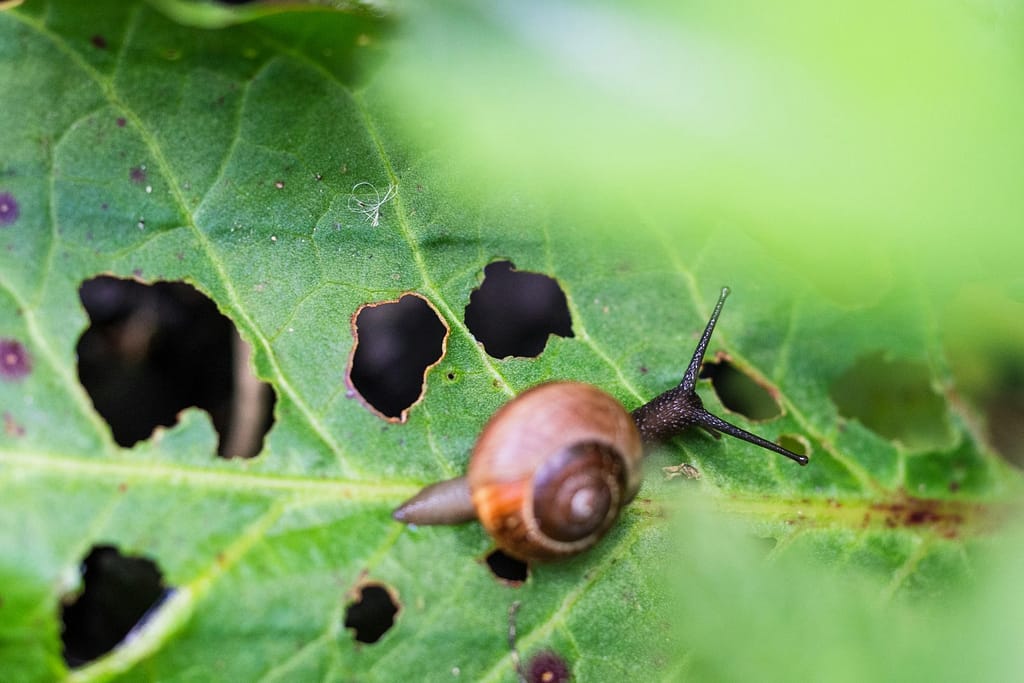
For every lush crop you coax from the soil, local garden pests plot an all-you-can-eat buffet. Finding your prized tomatoes filled with holes or your lettuce skeletal overnight is an inevitable hurdle when growing your own food. Managing insect pressure without harsh chemicals requires early identification, physical protection, and balanced pest management.
According to agricultural data from the USDA Gardening & Soil Resources, deploying integrated pest management (IPM)—such as introducing beneficial predator insects and applying targeted physical barriers—reduces crop damage by up to 80% while keeping soil ecosystems healthy.
- NPIC Organic Pest & Garden Safety: Provides science-based guidance on using low-toxicity controls like neem oil, insecticidal soaps, and diatomaceous earth safely around edible crops.
- CDC Health Guidelines: Highlights routine garden maintenance and hand-picking pests as active, functional outdoor movement that supports overall physical health.
Pest Control Tip: Install lightweight floating row covers over young brassicas and leafy greens immediately after planting. Physical barriers block egg-laying moths and beetles before infestations ever take root.
To Sum It All Up
While growing your own food comes with steep learning curves, pest battles, and erratic weather shifts, the reward of harvesting fresh, clean produce makes every setback worth it. Approaching your backyard garden with patience, proper soil care, and a sense of humor turns seasonal challenges into a rewarding lifelong habit.
FAQ
Q: What are the easiest crops to start growing for beginners?
A: Leafy greens (like spinach and lettuce), radishes, bush beans, and cherry tomatoes are resilient, fast-growing crops that offer quick returns for new gardeners.
Q: How do I prevent pests without using harsh chemicals?
A: Utilize companion planting, insecticidal soaps, neem oil, and physical barriers like floating row covers to keep common garden pests under control naturally.


